
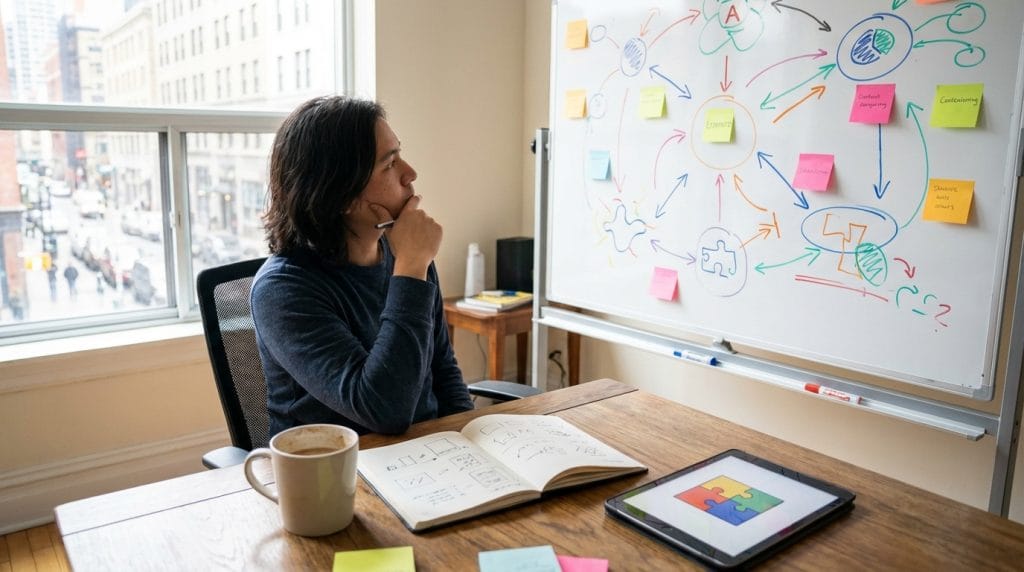
Becoming a better problem solver starts with a simple realization: every challenge, no matter how big or small, is an opportunity to grow. Whether you’re trying to fix a leaky faucet, navigate a tricky relationship, or tackle a complex work project, problem-solving is the key to unlocking solutions. But how do you sharpen this essential skill? Stick around, and we’ll explore practical steps, tools, and mindsets to help you tackle problems like a pro.
Key Takeaways
- Problem-solving is a crucial skill for personal and professional success.
- Defining and analyzing problems is the first step toward effective solutions.
- Developing skills like critical thinking, creativity, and adaptability is essential.
- Collaboration and diverse perspectives can enhance problem-solving outcomes.
- Measuring success and learning from challenges leads to continuous improvement.
Understanding the Importance of Problem-Solving
Why problem-solving is a critical skill
Life throws curveballs at us every day. From deciding what to cook for dinner to managing a team at work, problem-solving is at the heart of decision-making. It’s not just about fixing things; it’s about thinking critically, staying calm under pressure, and finding the best path forward.
Without strong problem-solving skills, even small issues can feel overwhelming. But when you master this ability, you gain confidence and control over your life.
The role of problem-solving in personal and professional success
Think about the most successful people you know. Chances are, they’re excellent problem solvers. Why? Because they don’t just react to problems—they anticipate, analyze, and tackle them head-on.
In your personal life, this skill helps you resolve conflicts, manage stress, and make better decisions. Professionally, it’s a game-changer. Employers value employees who can think on their feet and come up with creative solutions.
Benefits of improving problem-solving abilities
Improving your problem-solving skills can lead to:
- Better relationships through effective communication and conflict resolution.
- Increased productivity by tackling challenges efficiently.
- Greater confidence in handling unexpected situations.

Identifying and Analyzing the Problem
Steps to clearly define the problem
Before you can solve a problem, you need to understand it. Sounds obvious, right? But many people jump to solutions without fully grasping the issue.
Recognizing symptoms versus root causes
Imagine your car won’t start. Is the problem the battery, the engine, or something else? Jumping to conclusions might lead to wasted time and effort. Instead, dig deeper to find the root cause.
Asking the right questions to uncover the core issue
Questions are your best friend here. Ask yourself:
– What exactly is happening?
– When did the problem start?
– What factors might be contributing?
Tools for analyzing problems
Root cause analysis techniques (e.g., 5 Whys, Fishbone Diagram)
The 5 Whys method is simple yet powerful. Keep asking “Why?” until you uncover the real issue. For visual thinkers, a Fishbone Diagram can help map out potential causes.
Using data and evidence to support analysis
Don’t rely on guesswork. Gather data, observe patterns, and use evidence to back up your conclusions. This approach not only clarifies the problem but also builds a solid foundation for solutions.

Developing Effective Problem-Solving Skills
Key skills to enhance problem-solving
Analytical thinking and critical reasoning
These skills help you break down complex problems into manageable parts. Think of it as solving a puzzle—one piece at a time.
Creativity and innovation in generating ideas
Sometimes, the best solutions come from thinking outside the box. Don’t be afraid to brainstorm wild ideas; they might lead to breakthroughs.
Emotional intelligence and resilience under pressure
Staying calm and empathetic can make all the difference, especially in high-stress situations. Emotional intelligence helps you understand others’ perspectives, which is crucial for collaboration.
Building adaptability and flexibility in decision-making
Life is unpredictable. Being adaptable means you can pivot when things don’t go as planned. Flexibility allows you to explore multiple solutions instead of sticking to one rigid plan.
The importance of teamwork and collaboration
Two heads are often better than one. Collaborating with others brings diverse perspectives and ideas to the table. If you’re solving problems in a team setting, check out these techniques to enhance group problem-solving.

Exploring and Evaluating Potential Solutions
Brainstorming multiple solutions
Encouraging diverse perspectives
Invite input from people with different backgrounds and experiences. Their unique viewpoints can spark innovative ideas.
Using structured brainstorming techniques
Techniques like mind mapping or SCAMPER (Substitute, Combine, Adapt, Modify, Put to another use, Eliminate, Reverse) can help organize your thoughts and generate creative solutions.
Assessing the feasibility and risks of each solution
Not every idea is a winner. Evaluate the pros and cons, potential risks, and required resources for each option.
Prioritizing solutions based on goals and resources
Focus on solutions that align with your goals and are achievable with the resources you have.

Implementing and Measuring the Success of Solutions
Creating an actionable plan for implementation
Assigning roles and responsibilities
Make sure everyone involved knows their role. Clear communication prevents confusion and ensures accountability.
Setting realistic timelines and milestones
Break the solution into smaller steps with deadlines. This keeps the process manageable and tracks progress.
Monitoring progress and making adjustments
Keep an eye on how things are going. If something isn’t working, don’t hesitate to tweak your approach.
Evaluating outcomes to measure success
Did the solution work? If not, what can you learn from the experience? Reflecting on outcomes helps you improve for next time.

Overcoming Common Challenges in Problem-Solving
Dealing with uncertainty and incomplete information
Sometimes, you won’t have all the answers. That’s okay. Make the best decision you can with the information available, and be ready to adapt as new details emerge.
Managing conflicts and differing opinions
Disagreements can be productive if handled well. Focus on finding common ground and respecting others’ viewpoints.
Staying motivated and focused during complex problem-solving
Big problems can feel overwhelming. Break them into smaller tasks, celebrate small wins, and remind yourself of the bigger picture.
![Tips To Be A Better Problem Solver [Last Live Lecture] | Ep. 10 Lockdown Live Math](https://mindfulharmonyoasis.com/wp-content/plugins/wp-youtube-lyte/lyteCache.php?origThumbUrl=https%3A%2F%2Fi.ytimg.com%2Fvi%2FQvuQH4_05LI%2F0.jpg "How To Become A Better Problem Solver? 16")
Leveraging Resources to Improve Problem-Solving Skills
Learning from online courses and training programs
Platforms like Coursera offer courses on problem-solving that can sharpen your skills.
Seeking mentorship and guidance from experienced problem solvers
A mentor can provide valuable insights and advice. Don’t hesitate to ask for help—it’s a sign of strength, not weakness.
Practicing problem-solving in real-life scenarios
The more you practice, the better you’ll get. Start with small challenges and work your way up to bigger ones.

The Long-Term Impact of Strong Problem-Solving Skills
Enhancing career growth and opportunities
Employers love problem solvers. This skill can open doors to promotions, leadership roles, and new opportunities.
Improving workplace efficiency and team dynamics
Strong problem-solving skills make teams more efficient and harmonious. They help you navigate conflicts and keep projects on track.
Building confidence and resilience in facing future challenges
When you know you can handle problems, life feels less intimidating. Confidence and resilience go hand in hand, helping you tackle whatever comes your way.
Becoming a better problem solver isn’t just about fixing things—it’s about transforming the way you think and approach challenges. Start small, stay curious, and remember: every problem is a chance to learn and grow.
For more tips on improving your problem-solving abilities, check out this guide. Or, if you’re dealing with self-doubt, learn how to turn it into self-discovery here.
Happy problem-solving!

FAQ: Unlocking Your Potential – How To Become A Better Problem Solver?
What are the key traits of an effective problem solver?
Effective problem solvers are curious, analytical, and open-minded. They approach challenges with a positive mindset, break down problems into manageable parts, and remain persistent in finding solutions. Adaptability and the ability to think critically are also essential traits.
How can I improve my critical thinking skills for problem-solving?
To enhance critical thinking, practice questioning assumptions, analyzing information objectively, and considering multiple perspectives. Engage in activities like puzzles, debates, or reading thought-provoking material to sharpen your analytical abilities.
Why is it important to define the problem clearly?
Defining the problem clearly ensures you understand the root cause and avoid wasting time on irrelevant issues. A well-defined problem provides direction and helps in identifying effective solutions more efficiently.
What role does creativity play in problem-solving?
Creativity allows you to think outside the box and explore unconventional solutions. It helps in generating innovative ideas and overcoming challenges that may not have straightforward answers.
How can I stay calm under pressure while solving problems?
Staying calm involves practicing mindfulness, breaking the problem into smaller tasks, and focusing on what you can control. Taking deep breaths and maintaining a positive attitude can also help you think more clearly under pressure.
What are some practical techniques for solving complex problems?
Techniques like brainstorming, mind mapping, and the ‘5 Whys’ method can simplify complex problems. Additionally, using frameworks like SWOT analysis or decision matrices can help in evaluating options systematically.
How does collaboration enhance problem-solving skills?
Collaboration brings diverse perspectives and expertise to the table, leading to more comprehensive solutions. Working with others also fosters creativity and helps in identifying blind spots you might have missed on your own.
Can improving time management skills aid in problem-solving?
Yes, effective time management ensures you allocate sufficient time to analyze and address problems without feeling rushed. Prioritizing tasks and setting deadlines can help you stay focused and organized.
What should I do if my solution doesn’t work?
If your solution doesn’t work, revisit the problem to ensure it’s accurately defined. Analyze what went wrong, seek feedback, and be willing to adapt or try alternative approaches. Persistence is key to finding the right solution.
How can I measure my progress in becoming a better problem solver?
Track your progress by reflecting on past challenges and evaluating how effectively you handled them. Notice improvements in your ability to stay calm, think critically, and generate solutions. Regular self-assessment and seeking feedback from peers can also provide valuable insights.